
Winter in Atlantic Canada: Snowshoeing, Cozy Inns & Iceberg Watch
While many travelers flock to Atlantic Canada in the summer months for its sunny beaches and lively festivals, those in the know understand that the region holds a special kind of magic during winter. The crowds dissipate, the landscapes turn into serene white expanses, and the local hospitality shines brighter than ever. Whether you’re an outdoor adventurer seeking untouched snow, a foodie looking to indulge in hearty local fare, or someone simply wanting to curl up by a roaring fire in a cozy inn, Atlantic Canada in winter is a hidden gem waiting to be discovered.
❄️ Nova Scotia: Storm Watching and Coastal Solitude
Nova Scotia’s maritime climate means its winters are often characterized by dramatic weather patterns, making it one of the best places in North America for storm watching. But beyond the fierce waves, it offers deep, quiet woods perfect for winter sports.
Storm Watching at Peggy’s Cove and Lawrencetown
There is a primal thrill in watching the fierce Atlantic Ocean crash against ancient granite rocks.
* Peggy’s Cove: While iconic in summer, Peggy’s Cove in winter is a profound experience. The lighthouse stands resolute against howling winds and towering waves. Caution: Never step onto the dark wet rocks during winter—rogue waves are frequent and dangerous.
* Lawrencetown Beach: Known for summer surfing, winter brings a dedicated core of cold-water surfers. Grab a hot coffee, bundle up in your thickest parka, and watch these hardy souls conquer icy barrels.
Cape Breton Island in White
The Cabot Trail is world-renowned, but seeing it draped in snow is an exclusive privilege.
* Cape Breton Highlands National Park: Sections of the park remain open for snowshoeing and cross-country skiing. The Franey Trail, when snow-covered, offers breathtaking views of the Clyburn Brook canyon and the Atlantic Ocean.
* Cozy Retreats: In places like Ingonish or Baddeck, historic lodges keep their hearths burning. Enjoy local seafood chowder by the fire after a long day in the crisp air.
The Halifax Winter Vibe
Halifax doesn’t hibernate. The city embraces the cold with vibrant energy.
* The Halifax Citadel: The star-shaped fort takes on a stark, beautiful contrast against a snowy sky.
* Culinary Scene: Winter is the time for hearty comfort food. Explore local pubs for traditional Acadian rappie pie or elevated maritime cuisine featuring winter root vegetables and fresh, cold-water scallops.
* Skating at the Oval: The Emera Oval on the Halifax Commons offers free public skating, complete with equipment rentals.
🌲 New Brunswick: A Deep Freeze Wonderland
New Brunswick sees some of the heaviest snowfall in the Maritimes, making it a premier destination for serious winter sports enthusiasts and those who love deep, powdery snow.
Fundy National Park: A Winter Playground
While the famous tides still rise and fall, the landscape around the Bay of Fundy transforms completely.
* Cross-Country Skiing & Snowshoeing: The park grooms over 40 kilometers of trails. Gliding through the hushed Acadian forest is a meditative experience.
* Winter Camping: For the truly adventurous, Fundy offers winter camping, including heated yurts and rustic cabins for those who want a touch of comfort while sleeping under the stars.
The Magic of the Sugarwoods
Late winter (usually late February into March) signals the beginning of maple syrup season.
* Sugar Camps: New Brunswick is the third-largest producer of maple syrup in the world. Visiting a traditional sugar camp (cabane à sucre) is a must.
* Maple Taffy: Try “tire d’érable”—hot maple syrup poured directly onto clean, packed snow and rolled up on a wooden stick. It’s the quintessential Canadian winter treat.
Alpine Skiing and Snowboarding
- Crabbe Mountain: Located near Fredericton, Crabbe Mountain boasts the highest vertical drop in the Maritimes and offers excellent downhill skiing and snowboarding trails for all skill levels.
- Poley Mountain: Nestled between Sussex and Fundy National Park, this family-friendly resort is known for its excellent grooming and welcoming atmosphere.
🌊 Prince Edward Island: Serenity and Culinary Comfort
Prince Edward Island (PEI) in winter is the definition of tranquility. The vibrant greens and reds of summer are replaced by a soft, white blanket, and the pace of life slows down significantly.
Solitary Beaches and Red Cliffs
The contrast of brilliant white snow against the island’s famous red sandstone cliffs is visually stunning.
* PEI National Park: The beaches, such as Cavendish and Brackley, are completely deserted. Walking along the snow-covered sand, listening to the crushing sea ice offshore, provides a deep sense of peace.
* Fat Biking: PEI has embraced winter cycling. Many of the island’s trails, including sections of the Confederation Trail, are groomed for fat biking—a fantastic way to cover ground and stay warm.
A Culinary Winter Haven
PEI is Canada’s Food Island, and the culinary scene thrives even in the depths of winter.
* WinterDine: Charlottetown hosts this popular dining festival in late January and February, where the city’s top chefs create special, locally sourced winter menus.
* Oysters and Mussels: Cold water means better seafood. Winter is arguably the best time to eat PEI oysters; the cold water makes them sweeter, crisper, and more flavorful.
Cozy Island Inns
Charlottetown and the surrounding countryside are dotted with heritage bed and breakfasts. Many offer winter weekend packages that include romantic dinners, horse-drawn sleigh rides, and crackling fireplaces in your room.
🧊 Newfoundland & Labrador: Raw Beauty and Early Icebergs
Winters here are legendary—wild, windy, and incredibly snowy. It is a place for the intrepid traveler seeking an authentic, unvarnished winter experience.
Gros Morne National Park
A UNESCO World Heritage site, Gros Morne is spectacular in any season, but winter gives it an otherworldly feel.
* Backcountry Skiing: The Tablelands and the Long Range Mountains offer some of the best, most challenging backcountry skiing in Eastern Canada.
* Snowmobiling: It is practically a way of life here. Hundreds of kilometers of groomed trails connect remote communities and take you through jaw-dropping fjords and alpine plateaus.
The Culture of St. John’s
The colorful row houses of St. John’s (Jellybean Row) pop brilliantly against the gray winter skies and white snow.
* Pub Culture: George Street has more pubs and bars per square foot than any street in North America. In winter, this means live traditional Irish and Newfoundland folk music in warm, bustling pubs.
* Signal Hill: Hiking up Signal Hill in winter is bracing. The wind is fierce, but the view of the Narrows and the open Atlantic is unbeatable.
Early Iceberg Watching
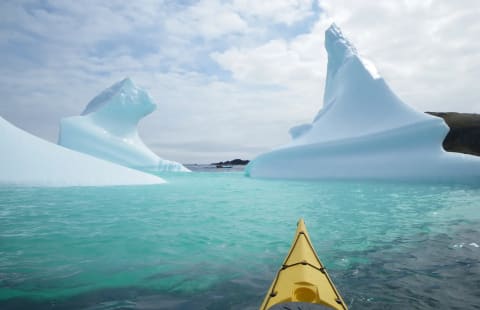
While peak iceberg season is typically late spring (May and June), the very first “bergy bits” and early icebergs can sometimes be spotted off the coast of Newfoundland and Labrador as early as March.
* Iceberg Alley: Stretching from the coast of Labrador down to the southeast coast of Newfoundland, this route is where these 10,000-year-old glacial giants drift south. Seeing an early iceberg framed by a snowy coastline is a photographer’s dream.
🎒 Practical Advice for Winter Travel in Atlantic Canada
Traveling in this region during winter requires preparation. The weather can change rapidly, from bright sunshine to a whiteout blizzard in a matter of hours.
1. Driving and Transportation
- Winter Tires are Mandatory: If you are renting a car, ensure it is equipped with true winter tires (look for the mountain/snowflake symbol), not just “all-season” tires. In some provinces, they are required by law.
- Keep an Emergency Kit: Your vehicle should always have a snow brush, ice scraper, blankets, water, non-perishable snacks, a flashlight, and jumper cables.
- Check the Weather: Coastal weather is volatile. Always check local forecasts (Environment Canada) and provincial highway cameras before setting out on a long drive.
- Be Flexible: Storms can and will cause delays, ferry cancellations, and road closures. Build buffer days into your itinerary.
2. Packing for the Maritimes
Layering is the golden rule of winter travel in Atlantic Canada.
* Base Layer: Merino wool or high-quality synthetics to wick moisture away from your skin. Avoid cotton.
* Mid Layer: Fleece or down jackets for insulation.
* Outer Layer: A high-quality, windproof, and waterproof shell is absolutely essential. The wind coming off the Atlantic cuts right through standard winter coats.
* Footwear: Insulated, waterproof winter boots with excellent grip for icy sidewalks and snowy trails.
* Accessories: Don’t forget a warm toque (beanie), thick insulated gloves or mittens, and a scarf or neck gaiter.
3. Daylight Hours
Remember that you are relatively far north. In the depths of winter (December and January), the sun sets as early as 4:30 PM. Plan your outdoor activities for the morning and early afternoon, and save the late afternoons for museums, galleries, or settling into a pub.
🥂 Conclusion: Embrace the Chill
Winter in Atlantic Canada is not a season to be endured; it is a season to be embraced. It asks you to slow down, to appreciate the stark beauty of nature, and to find warmth in the company of locals. From the thrill of snowshoeing a coastal cliff to the simple joy of a hot cider by a crackling fire, a winter journey to the eastern edge of Canada promises an adventure that is both deeply peaceful and wildly exhilarating.