
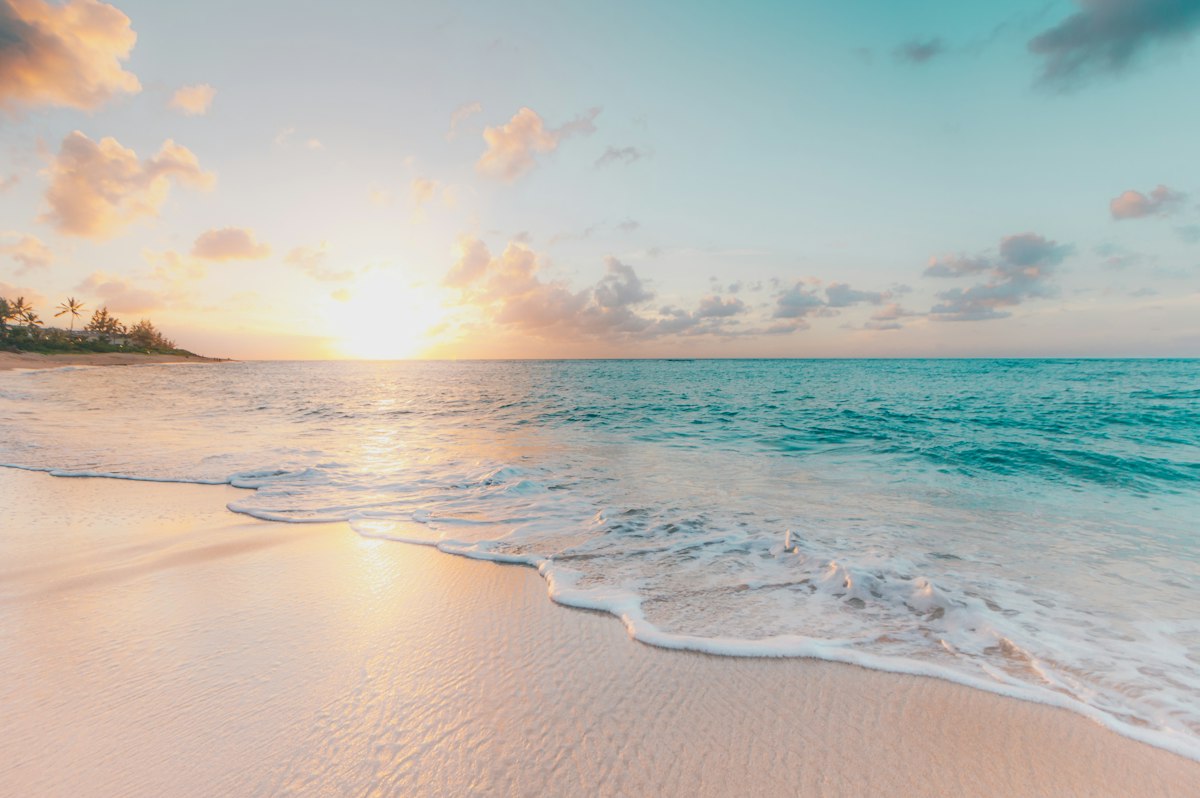
Sand. Sea. Shore.
Atlantic Canada's beaches stretch for thousands of kilometres — red sandstone cliffs on PEI, wild surf on Cape Breton, warm tidal flats in New Brunswick, and secret coves in Newfoundland.
— Top Beaches —
Where to Swim & Play
Four provinces, four entirely different coastlines — each with its own character, colour, and feel.
Prince Edward Island
Cavendish Beach
PEI National Park's crown jewel — warm shallow water, iconic red sand dunes, and a long sandy shoreline perfect for families and swimmers.
Book ExperienceNova Scotia
Lawrencetown Beach
Nova Scotia's surf capital — big Atlantic swells, board rentals, and lessons for all levels.
ExploreNew Brunswick & Newfoundland
Parlee Beach & Hidden Coves
Parlee Beach has the warmest saltwater north of Virginia. Newfoundland's rugged coves offer solitude and drama in equal measure.
Explore— What To Do —
Atlantic Shore Activities
From surfing Nova Scotia's swells to clamming on tidal flats — there's more to Atlantic beaches than sunbathing.
Surfing & Paddleboarding
Nova Scotia's Lawrencetown and Martinique beaches draw surfers from across Canada. Lessons and rentals available.
Clamming & Tidal Flat Foraging
At low tide on New Brunswick's Northumberland Strait, the ocean floor reveals itself. Join a guided foraging experience.
Sea Kayaking & Coastal Paddling
Paddle sea caves, rocky headlands, and sheltered coves. Guided tours available throughout all four provinces.
Beach Fishing & Shore Casting
Atlantic Canada's beaches are prime fishing territory. Striped bass run in summer — gear rentals in most towns.
Sunset Beach Bonfires
Many beaches permit evening bonfires. Guided sunset bonfire experiences with fresh seafood are a perfect end to the day.
Beach Essentials
What to know before you hit the water in Atlantic Canada.
— Best Time to Visit —
Every Season Has Its Shore
Atlantic beaches change dramatically by season — here's what to expect.
-
Dec – Feb
Winter
Dramatic storm-watching, frozen sea spray, and completely empty beaches. For solitude-seekers only.
-
Mar – May
Spring
Water is cold but beaches wake up. Great for walking, birding, and catching early wildflowers.
-
Peak Season
Jun – Aug
Summer
Warm water, long evenings, surf lessons, kayaking, bonfires, and lobster suppers.
-
Sep – Nov
Autumn
Fewer crowds, warm September swims, and dramatic sky colours at sunset. Surfers love the autumn swells.
— Book Your Experience —
Find Your Perfect Beach Day
Browse guided kayak tours, surf lessons, tidal foraging experiences, and coastal packages from trusted operators across all four Atlantic provinces.
— Common Questions —
Before You Hit the Shore
01Which province has the warmest beaches?
Prince Edward Island and New Brunswick's Northumberland Strait consistently have the warmest ocean water in Atlantic Canada — reaching 20–22°C in peak summer. Nova Scotia's south shore is cooler but still swimmable in July–August.
02Are Atlantic Canada's beaches safe for families?
Absolutely. Beaches like Cavendish (PEI) and Parlee (NB) are family favourites with gentle slopes, warm water, and lifeguard supervision in peak summer. Always check tide schedules near the Bay of Fundy.
03Can I surf in Atlantic Canada?
Yes — Nova Scotia has a small but dedicated surf scene, centred around Lawrencetown and Martinique beaches near Halifax. Surf schools offer beginner lessons in summer. Swells are best in autumn.
04Are there fees to access beaches?
National park beaches like Cavendish require a Parks Canada day pass (~ CAD/person). Most provincial and municipal beaches are free. Parking fees may apply at popular spots in peak season.