
Lunenburg UNESCO Guide (2026): Bluenose II, Colourful Streets & Local Tips
Quick Summary: Designated a UNESCO World Heritage Site in 1995, Old Town Lunenburg is the best-surviving example of a planned British colonial settlement in North America. Home to Canada’s famous sailing ambassador, the Bluenose II, this vibrant harbour town features 18th-century colorful wooden architecture, artisan distilleries, world-class seafood dining, and rich seafaring history.
Why Visit Old Town Lunenburg?
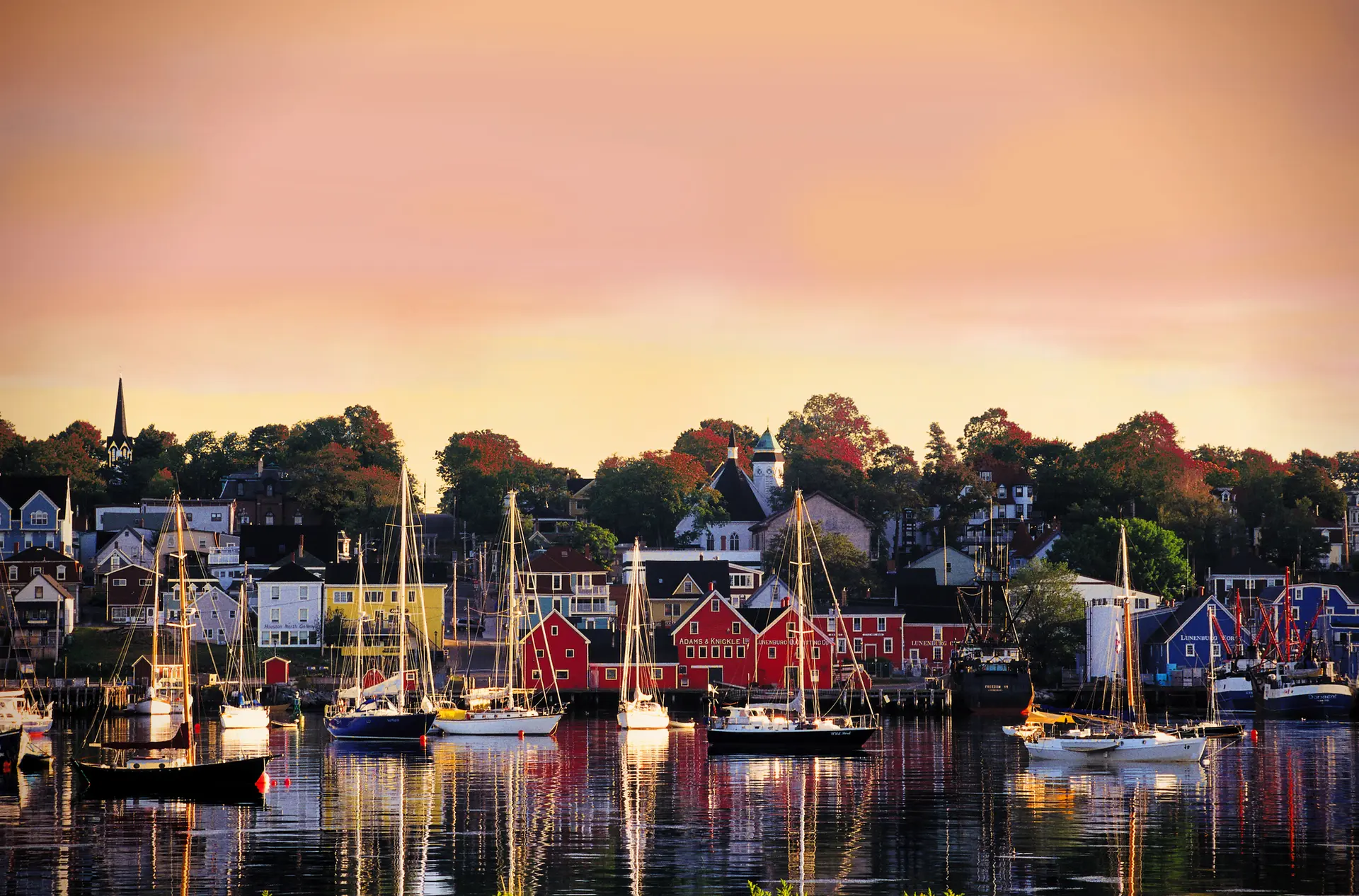
Stepping into Lunenburg feels like walking onto a living film set. Over 70% of the town’s original 18th and 19th-century buildings remain standing, painted in vibrant shades of cranberry red, mustard yellow, deep indigo, and seafoam green.
Lunenburg was founded in 1753 by Foreign Protestants (German, Swiss, and French settlers) who transformed the town into one of North America’s legendary shipbuilding and deep-sea fishing capitals.
Here you can walk out on the docks to touch the wooden rigging of the Bluenose II, sip award-winning rum distilled in a 19th-century blacksmith shop at Ironworks Distillery, and feast on fresh sea scallops while watching fishing trawlers return to port.
Insider Tip: The Classic “Dime Photo” Angle: To get the famous postcard shot of Lunenburg’s colourful harborfront buildings reflected in the water, drive across the harbour to Golf Course Road / Lunenburg Yacht Club viewpoint on the south side of the bay!
Getting There & Navigation
Drive Times to Lunenburg
- From Downtown Halifax: 1 Hour 15 Mins (95 km via Hwy 103 & Hwy 3)
- From Halifax Stanfield Airport (YHZ): 1 Hour 20 Mins (115 km via Hwy 103)
- From Peggy’s Cove: 1 Hour 15 Mins (90 km via Hwy 333 & Hwy 103)
- From Mahone Bay: 15 Mins (12 km via Hwy 3)
Top 7 Must-See Attractions in Lunenburg
1. The Bluenose II Schooner
- The Story: The original Bluenose was built in Lunenburg in 1921. It was an undefeated racing schooner and working fishing vessel, immortalized on the Canadian 10-cent dime coin.
- Visiting: The replica Bluenose II is docked at the Lunenburg Waterfront when not on tour. Walk the wooden decks for free or book a 2-hour harbour sailing cruise!
2. Fisheries Museum of the Atlantic
- Highlights: Located in bright red waterfront buildings. Features 3 floors of living marine exhibits, touch tanks, a historic aquarium, and self-guided tours of two real retired fishing vessels (Theresa E. Connor schooner and Cape Sable side-trawler).
3. Ironworks Distillery
- Highlights: Located in a restored 1893 blacksmith shop on Montague Street. Sample world-class artisanal rum, apple brandy, gin, and blueberry liqueur distilled in copper stills.
4. Lunenburg Walking Tour & Architectural Heritage
- Highlights: Take a 90-minute guided walking tour with Lunenburg Walking Tours. Learn about the famous “Lunenburg Bump” architectural roofs, witch windows, black-craft history, and ghost legends.
5. St. John’s Anglican Church
- Highlights: Founded in 1753, it is the second-oldest Anglican church in Canada. A stunning example of “Carpenter Gothic” black-and-white wooden architecture. Beautifully restored after a tragic fire on Christmas Eve 2001.
6. The Knaut-Rhuland House Museum
- Highlights: A 1793 historic wooden house designated a National Historic Site. Step back into 18th-century colonial life with costumed interpreters.
7. Day Trip to Mahone Bay & Blue Rocks (15 Mins away)
- Mahone Bay: Famous for its iconic shoreline view of Three Historic Churches standing side-by-side, boutique craft shops, and cafes.
- Blue Rocks: A tiny, undisturbed fishing hamlet 8 minutes east of Lunenburg featuring slate blue rock ledges, sea kayaking, and artist studios.
Local Dining & Seafood Highlights
Top Places to Eat
- The South Shore Duck Tavern: Modern Maritime gastropub featuring duck fat fries, fresh scallops, fish tacos, and craft beer.
- Salt Shaker Deli: Famous local spot for lobster rolls, seafood chowder, thin-crust pizzas, and fresh mussels.
- Grand Banker Bar & Grill: Waterfront dining famous for the “Lunenburger”—a 6oz local beef burger topped with lobster meat, smoked gouda, and a fried lobster tail skewered on top!
- Off the Hook Seafood: Unpretentious dockside takeout for classic fish and chips and fried clams.
- Sweet Treats: Grab a scoop of ice cream or fresh pastries at The Savvy Sailor or No. 9 Coffee Bar.
Where to Stay in Lunenburg
Historic Bed & Breakfasts & Boutique Inns
- The Lunenburg Arms Hotel & Spa: Upscale heritage hotel overlooking the harbour with full spa services.
- Mariner King Inn: Beautifully restored 1830 Victorian boutique hotel on King Street.
- B2 Urban Inn: Modern design hotel housed in a historic building steps from Montague Street.
- Sailor’s Rest Cottage: Cozy waterfront rental overlooking the docks.
Sample 2-Day Lunenburg Itinerary
- Day 1: UNESCO Streets, Bluenose II & Harbour Dining
– Morning: Arrive in Lunenburg -> Check into inn -> Walk the waterfront docks to tour the Bluenose II.
– Afternoon: Take a 90-minute Lunenburg Walking Tour -> Visit Ironworks Distillery for rum tasting.
– Evening: Seafood dinner at The Grand Banker -> Sunset drinks at Salt Shaker Deli.
- Day 2: Fisheries Museum, Blue Rocks & Mahone Bay
– Morning: Tour the Fisheries Museum of the Atlantic and explore the retired fishing trawler.
– Afternoon: Drive 8 minutes to Blue Rocks for sea kayaking and coastal photography -> Stop in Mahone Bay for shopping and photos of the Three Churches.
– Evening: Return to Halifax or stay for a cozy evening in Lunenburg.
FAQs
1. Why is Lunenburg a UNESCO World Heritage Site?
Lunenburg was designated by UNESCO in 1995 as the best-surviving example of a planned British colonial wooden settlement in North America, preserving its original 1753 grid plan and colourful 18th-century wooden architecture.
2. Is the Bluenose II always in Lunenburg?
The Bluenose II is based in Lunenburg, but sails to other Maritime ports during summer. Always check the official sailing schedule before visiting if seeing the ship is a priority.
3. How far is Lunenburg from Halifax?
It is a 95 km drive (approx. 1 hour and 15 minutes) southwest of Downtown Halifax via Highway 103.
4. What is the “Lunenburg Bump”?
The “Lunenburg Bump” is a unique local architectural feature: a multi-story enclosed dormer porch built over the front door of 19th-century houses to allow residents to look down the street and out toward the harbour.
5. What is the “Lunenburger” burger?
A famous burger created at The Grand Banker Bar & Grill: a local beef patty topped with smoked gouda, fresh lobster meat, maple bacon, garlic aioli, and crowned with a deep-fried lobster tail!
6. Is Lunenburg walkable?
Yes! The waterfront and downtown streets are easily walked, though streets running uphill from the water (like King and Pelham) are steep.
7. What is Ironworks Distillery?
An award-winning artisanal distillery located in an 1893 blacksmith shop in Lunenburg, distilling spirits from local Nova Scotia apples, berries, and sugar cane.
8. Can you take a boat tour on the Bluenose II?
Yes! When in home port, the Bluenose II offers 2-hour public harbour sailings twice daily. Tickets must be booked in advance.
9. What nearby towns should I visit with Lunenburg?
Visit Mahone Bay (15 mins away), Peggy’s Cove (1 hour away), Chester, and Blue Rocks.
10. Where is the best photo spot in Lunenburg?
Drive across the harbour to Golf Course Road on the south side of the bay for the iconic postcard view of the colourful town reflected in the harbour.
11. What is Blue Rocks?
A tiny, scenic fishing village 8 minutes east of Lunenburg known for slate-blue rock outcroppings, sea kayaking, and classic lobster shacks.
12. Are dogs allowed in Lunenburg?
Yes! Leashed dogs are welcome along the harbour boardwalk, outdoor restaurant patios, and on walking tours.
13. What is the best month to visit Lunenburg?
July through September offer warm patio weather, active harbour sailings, and full museum operating hours.
14. How much does it cost to tour the Fisheries Museum?
Admission to the Fisheries Museum of the Atlantic is ~$14.00 CAD per adult, which includes entry to the historic aquarium and two museum ships.
15. Where can I buy authentic local crafts in Lunenburg?
Browse independent boutiques along Montague and Lincoln Streets for handmade pottery, ironwork, woolens, and folk art.
Related Guides & Internal Links
- Peggy’s Cove Pillar Destination Guide
- Halifax City Guide & South Shore Day Trips
- Nova Scotia 10-Day Ultimate Road Trip Guide
- The 15 Best Lobster Rolls in Atlantic Canada
- Best Beaches in Nova Scotia Ranked
Quick Facts
| Detail | Information |
|---|---|
| Location | Nova Scotia |
| Designation / Status | Key Destination / Regional Highlight |
| Area / Scope | Regional Highlight & Surrounding Coastline |
| Best For | Outdoor adventure, scenic drives, local dining, photography, road trips |
| Best Time to Visit | May–October |
| Ideal Visit | 2–4 days |
| Interactive Map Pin | [44.37,-64.31] |
Top Places to Visit
1. Primary Coastal & Heritage Highlights
Explore the core natural and cultural landmarks that define Lunenburg.
Highlights:
- Walking along scenic coastal lookouts and boardwalks.
- Exploring local historical sites and heritage monuments.
- Sampling fresh Atlantic seafood at dockside restaurants.
- Photographing iconic lighthouses and ocean bluffs.
Best Hiking Trails
Popular options include:
| Trail Name | Distance & Duration | Difficulty | Key Highlights & Terrain |
|---|---|---|---|
| Coastal Headland Trail | 3.5 km (1.5 Hours) | Easy/Moderate | Coastal cliff walk with ocean lookouts. |
| Forest & River Trail | 4.2 km (2 Hours) | Moderate | Shaded Acadian forest path along river bends. |
| Summit Ridge Trail | 6.0 km (2.5 Hours) | Moderate | High elevation overlook with 360-degree vistas. |
Always check trail conditions before heading out.
Wildlife You’ll See
Depending on the season, visitors may encounter a rich variety of native species:
- Birds: Bald Eagles, Osprey, Great Blue Herons, Seabirds, and migratory songbirds.
- Marine Life: Harbour Seals, Minke Whales, Harbour Porpoises, and Atlantic Cod.
- Land Mammals: White-tailed Deer, Red Foxes, Snowshoe Hares, and Moose.
The combination of coastal waters, forests, and wetlands makes the region one of Atlantic Canada’s richest natural habitats.
Best Time to Visit
Spring (May–June)
- Rivers and waterfalls at peak flow.
- Wildflowers blooming in coastal valleys.
- Fewer crowds at major lookouts.
Summer (July–August)
- Warmest weather and pleasant ocean breezes.
- Coastal boat tours, high-tide kayaking, and beach swimming.
- Full festival and restaurant operating schedules.
Fall (September–October)
- One of the best seasons thanks to colourful forests, cooler temperatures, and excellent hiking.
- Seasonal harvest markets and fall foliage drives.
Winter (November–April)
- Quiet snowshoeing, winter photography, coastal ice formations, and cozy lodge retreats.
️ Suggested Day-by-Day Scroll-Path Itinerary
Day 1: Coastal Arrival & Core Highlights
- Morning: Arrive in Lunenburg. Explore the main waterfront boardwalk and historic monuments.
- Afternoon: Take a scenic walking trail along coastal headlands and enjoy ocean lookouts.
- Evening: Enjoy fresh Atlantic seafood dining at a local harbourfront bistro.
- Day 1 Logistics: ~85 km driving along main coastal highways.
Day 2: Wilderness Hikes & Scenic Drives
- Morning: Hike the primary trail to high cliff lookouts and scenic river gorges.
- Afternoon: Drive scenic coastal parkways, stopping at lighthouse lookouts and craft shops.
- Evening: Traditional Maritime dinner and campfire sunset viewing.
- Day 2 Logistics: ~90 km driving with frequent scenic pullouts.
Day 3: Heritage Sites & Local Culture
- Morning: Visit local museums, artisan studios, and historic heritage sites.
- Afternoon: Relax at a local sandy beach or take an afternoon boat excursion.
- Evening: Departure dinner celebrating your complete Atlantic Canada journey.
- Day 3 Logistics: ~75 km return driving to major highways.
Sustainable Travel Tips
As a protected natural sanctuary, visitors are encouraged to follow leave-no-trace ethics:
- Stay on marked trails: Protect fragile coastal vegetation and cliffside soils from erosion.
- Respect wildlife: Maintain a safe 30-metre distance from all wild animals.
- ️ Leave no trace: Pack out all trash and reduce single-use plastics.
- Support local businesses: Dine at family seafood shacks and purchase local artisan crafts.
- Follow safety guidelines: Always check tide schedules and weather conditions before coastal exploration.
Frequently Asked Questions
1. Is Lunenburg suitable for families?
Yes! Many attractions, beaches, lookouts, and walking trails are barrier-free and family-friendly.
2. How many days should I spend visiting?
A 2 to 4-day trip is ideal to explore major attractions, complete scenic hikes, and enjoy local seafood dining without rushing.
3. Can I visit year-round?
Yes, though May through October offers the widest range of operational attractions, boat tours, and warm weather.
4. What is the best way to travel around Lunenburg?
A personal vehicle or rental car is strongly recommended to explore the scenic coastal highways and trailhead lookouts.
5. Are dogs allowed?
Yes, leashed dogs are welcome on most trails and outdoor lookouts.
6. Where is the best place to eat seafood?
At local harbourfront seafood restaurants, lobster shacks, and craft brewpubs.
7. What should I pack for coastal weather?
Layered clothing, a windproof/waterproof jacket, comfortable walking shoes, and sun protection.
8. Are there gas stations along the route?
Gas is available in major hub towns; always fill up before entering remote wilderness stretches.
9. Can I see whales in the area?
Whale watching boat tours operate along coastal bays from June through October.
10. Are campgrounds available?
Yes, National, Provincial, and private campgrounds offer tent, RV, and glamping options from May through October.
11. What airport is closest to Lunenburg?
Major regional airports include Halifax Stanfield (YHZ), Moncton (YQM), Charlottetown (YYG), and St. John’s (YYT).
12. Do I need a park pass?
National Parks require a Parks Canada Day Pass; Provincial Parks offer free or low-cost daily entry.
13. What is the best season for fall foliage?
Early to mid-October offers peak autumn foliage across coastal and mountain forests.
14. Is cell coverage reliable?
Cell coverage is reliable in towns, but can drop in deep valleys and interior wilderness areas.
15. What nearby attractions can I combine with this trip?
Check our related guides below for regional road trip loops and neighboring coastal towns!
Final Thoughts
Lunenburg is far more than a collection of scenic viewpoints—it is a living, breathing natural landscape where ocean tides, ancient forests, coastal communities, and diverse wildlife converge. Whether you are driving coastal parkways, hiking to high cliff lookouts, exploring sea caves, or simply watching the sunset over the Atlantic, this region promises an unforgettable Maritime journey.