
Driving Distances, Wildlife Safety & Highway Rules in Atlantic Canada
Introduction to the Atlantic Open Road
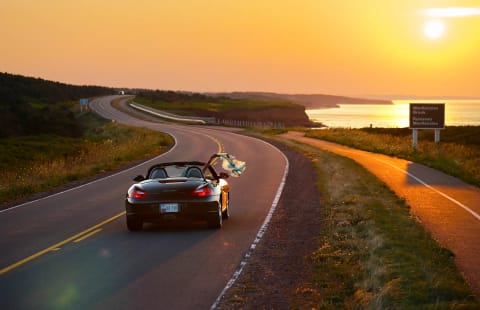
Atlantic Canada is a driver’s paradise. The region, comprising Nova Scotia (NS), New Brunswick (NB), Prince Edward Island (PEI), and Newfoundland and Labrador (NL), is characterized by dramatic coastlines, dense boreal forests, charming fishing villages, and sweeping highland vistas. Whether you are navigating the famous Cabot Trail, traversing the Bay of Fundy coast, exploring the red dirt roads of PEI, or undertaking the epic journey across Newfoundland, driving is arguably the best way to experience the area.
However, the sheer scale of the region and its unique environmental factors require a level of preparation beyond a typical Sunday drive. This comprehensive guide will equip you with essential knowledge regarding driving distances, crucial wildlife safety protocols, highway rules, ferry navigation, and practical tips for an unforgettable and safe Atlantic Canadian road trip.
Understanding Driving Distances and Times
One of the most common mistakes visitors make is underestimating the size of Atlantic Canada. While the provinces might look compact on a map compared to the rest of Canada, the intricate coastlines and winding roads mean that getting from point A to point B often takes longer than anticipated.
Key Distance Estimates
Here are some approximate driving distances and times to help you plan:
- Halifax, NS to Sydney, NS (Gateway to Cabot Trail): 400 km (250 miles) — approx. 4 to 4.5 hours.
- Halifax, NS to Moncton, NB: 260 km (160 miles) — approx. 2.5 hours.
- Moncton, NB to Charlottetown, PEI (via Confederation Bridge): 165 km (100 miles) — approx. 1.5 to 2 hours.
- St. John’s, NL to Gros Morne National Park, NL: 700 km (435 miles) — approx. 7 to 8 hours.
- Port aux Basques, NL (Ferry Terminal) to St. John’s, NL: 900 km (560 miles) — approx. 9.5 to 10.5 hours.
- Fredericton, NB to Saint John, NB: 110 km (68 miles) — approx. 1 hour and 15 minutes.
Regional Variations
- Nova Scotia: Highways like the 100-series are well-maintained and allow for swift travel. However, coastal routes like the Lighthouse Route or the Evangeline Trail are winding, slower, and demand leisurely pacing.
- New Brunswick: The Trans-Canada Highway (Route 2) cuts through the province efficiently. Coastal routes, particularly around the Bay of Fundy (Route 114), are slower and have significant elevation changes.
- Prince Edward Island: PEI is relatively flat and easy to navigate. The entire island can be driven tip-to-tip in about 3.5 hours. Watch for unpaved “heritage roads” which are beautiful but require slower speeds.
- Newfoundland and Labrador: The Trans-Canada Highway (Route 1) stretches across the island, but it is predominantly a two-lane highway with limited passing lanes. Distances are vast. Labrador requires specialized preparation for the Trans-Labrador Highway, much of which is remote.
Crucial Wildlife Safety: The Moose Factor
Wildlife collisions, particularly with moose and deer, are a serious safety concern in Atlantic Canada, especially in Newfoundland, New Brunswick, and Nova Scotia.
The Danger of Moose
Moose are massive animals, often weighing over 1,000 lbs (450 kg) and standing incredibly tall. Because their eyes do not reflect headlights well and their dark coats blend into the night, they are notoriously difficult to see until you are right upon them. Due to their height, collisions often result in the moose’s body impacting the windshield and roof of the vehicle, which can be fatal for the occupants.
Preventive Measures
- Avoid Night Driving: If possible, do not drive on rural highways between dusk and dawn. This is when moose and deer are most active and hardest to spot.
- Scan the Margins: Constantly scan the ditches and tree lines on both sides of the road. Passengers should actively help the driver look for movement.
- Heed Warning Signs: Pay strict attention to yellow wildlife warning signs. These are placed in known high-collision corridors.
- Reduce Speed: At night, reduce your speed significantly below the posted limit in heavily wooded areas.
- Use High Beams: Use your high beams whenever there is no oncoming traffic to increase your field of vision.
- Do Not Swerve (Usually): If a collision with a smaller animal (like a deer) is unavoidable, brake firmly and stay in your lane. Swerving can lead to a rollover or a head-on collision with another vehicle. However, with a moose, if you have time, aim for its rear, as they typically bolt forward. If you cannot avoid it, brake as hard as possible and duck down below the dashboard.
Weather Considerations: Fog, Wind, and Winter
Atlantic Canada’s weather is heavily influenced by the ocean, leading to rapid changes and specific driving hazards.
Fog Navigation
Fog can roll in off the Atlantic Ocean or the Bay of Fundy with startling speed, reducing visibility to near zero.
* Use Low Beams: Never use high beams in fog; the light will reflect back and blind you.
* Fog Lights: If your vehicle has fog lights, use them.
* Reduce Speed and Increase Following Distance: Give yourself ample time to react.
* Use Road Lines: Follow the solid white line on the right edge of the road as a guide.
* Pull Over if Necessary: If visibility is too poor, pull safely off the road, as far away from traffic as possible, and turn on your hazard lights.
High Winds
Coastal areas, particularly the Confederation Bridge (PEI), the Wreckhouse area (NL), and the Canso Causeway (NS), are prone to extreme wind gusts.
* High-sided vehicles (RVs, transport trucks) and motorcycles are particularly vulnerable.
* Pay attention to wind warnings and electronic signs. The Confederation Bridge and the Wreckhouse area will restrict or close traffic to high-sided vehicles during wind events.
Winter Driving
If you are visiting between late November and April, expect snow, ice, and freezing rain.
* Winter Tires are Mandatory: In some provinces (like New Brunswick) or specific areas, winter tires are highly recommended or mandatory. Even if not legally mandated for rental cars, they are essential for safety.
* Carry an Emergency Kit: Pack a blanket, flashlight, shovel, ice scraper, extra warm clothing, and non-perishable food.
* Drive for the Conditions: Speed limits are for ideal conditions. When roads are snow-covered, slow down significantly.
Ferries, Tolls, and Bridges
Navigating Atlantic Canada often involves crossing bodies of water.
Major Ferry Routes
- Marine Atlantic (Nova Scotia to Newfoundland):
- North Sydney, NS to Port aux Basques, NL: The most common route (approx. 7 hours). Runs year-round.
- North Sydney, NS to Argentia, NL: A longer summer-only route (approx. 16 hours) that puts you closer to St. John’s.
- Booking: Crucial. Book months in advance for summer travel, especially if you are taking a vehicle.
- Bay Ferries (Nova Scotia, New Brunswick, PEI, USA):
- The CAT (Bar Harbor, Maine to Yarmouth, NS): High-speed summer ferry.
- Fundy Rose (Saint John, NB to Digby, NS): Crosses the Bay of Fundy, saving driving time.
- Northumberland Ferries (Caribou, NS to Wood Islands, PEI): A scenic alternative to the Confederation Bridge. You only pay when leaving PEI.
- Provincial Ferries:
- Nova Scotia, New Brunswick, and Newfoundland operate numerous smaller cable ferries and coastal ferries to islands (e.g., Grand Manan, Fogo Island). Check local provincial transit websites for schedules.
Tolls and The Confederation Bridge
- Confederation Bridge (NB to PEI): This 12.9 km engineering marvel connects New Brunswick to PEI. You only pay a toll when leaving the island.
- Cobequid Pass (Nova Scotia): A section of Highway 104 in Nova Scotia requires a toll. It is a faster, safer alternative to the old highway, and you can pay with cash, debit, or credit.
Highway Rules and Regulations
The rules of the road in Atlantic Canada are similar to the rest of Canada and the United States, but here are some specific points to remember:
- Speed Limits: Unless posted otherwise, the speed limit on major divided highways (like the Trans-Canada) is typically 100 km/h or 110 km/h (62-68 mph). On secondary highways, it’s usually 80 km/h or 90 km/h (50-55 mph). In urban areas, it drops to 50 km/h (31 mph).
- Seatbelts: Mandatory for all occupants of the vehicle.
- Distracted Driving: It is strictly illegal to use a hand-held mobile phone while driving in all Atlantic provinces. Fines are substantial.
- Move Over Law: If you see an emergency vehicle (police, fire, ambulance) or a tow truck pulled over with flashing lights, you must slow down and move into the adjacent lane if it is safe to do so.
- Impaired Driving: Laws are strictly enforced. The legal blood alcohol limit is generally 0.08, but penalties can begin at lower levels (0.05), and cannabis impairment is heavily penalized.
- Turning on Red: You may turn right on a red light after coming to a complete stop, unless a sign specifically prohibits it.
Fuel and EV Charging
Gas Stations
- In major towns and along the main stretches of the Trans-Canada Highway, gas stations are plentiful (Irving, Petro-Canada, Shell, Esso).
- Rural Travel: When exploring coastal routes, the Cabot Trail, or remote parts of Newfoundland, gas stations can be sparse and may close early in the evening.
- Rule of Thumb: Never let your fuel tank drop below half when travelling outside urban centers.
Electric Vehicle (EV) Infrastructure
- The EV charging network in Atlantic Canada is growing rapidly. The “Flo” network and standard “ChargePoint” stations are common.
- Nova Scotia and New Brunswick have robust fast-charging networks along major highways.
- PEI has a good density of chargers for its size.
- Newfoundland is currently expanding its network, but long stretches on the island still require careful planning and reliance on slower chargers. Always use apps like PlugShare to map your route meticulously.
Conclusion: Embrace the Journey
Driving in Atlantic Canada is about the journey, not just the destination. The roads will take you past historic lighthouses, through vibrant Acadian communities, and along the edges of ancient cliffs. By understanding the distances, respecting the wildlife, preparing for the weather, and following the rules of the road, you can ensure your Atlantic Canadian road trip is both awe-inspiring and perfectly safe. Take your time, enjoy the local hospitality, and let the coastal roads reveal the magic of the East Coast.