
The Cabot Trail 3-Day Road Trip Itinerary: Clockwise vs Counter-Clockwise
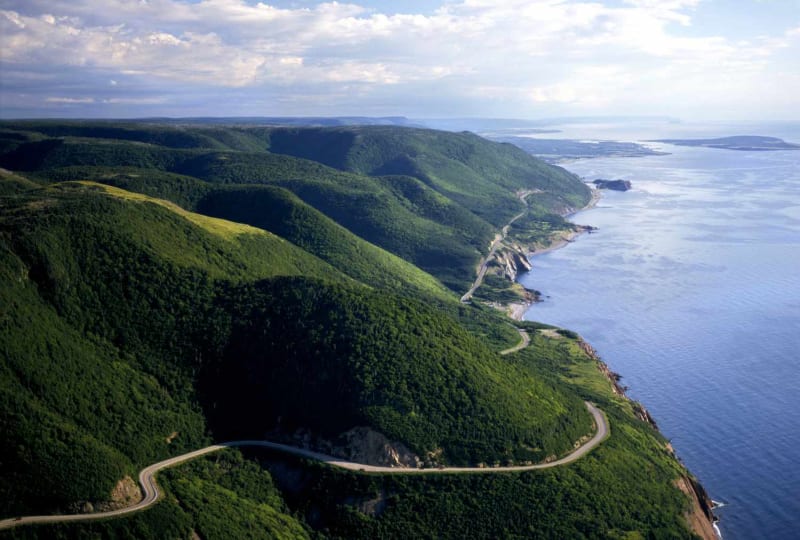
Quick Summary: Spanning 298 kilometres (185 miles) around the northern tip of Cape Breton Island, the Cabot Trail is widely recognized as one of the world’s most spectacular coastal drives. Winding between soaring ocean cliffs, mountain plateaus, French Acadian fishing harbors, and Gaelic heritage sites, this 3-day itinerary covers every highlight.
Driving Rationale: Counter-Clockwise vs Clockwise
- Counter-Clockwise (RECOMMENDED): Driving from Baddeck -> Ingonish -> Pleasant Bay -> Chéticamp.
– Why: Keeps your vehicle in the outside right lane hugging the ocean cliffs, providing unobstructed views and making turnoffs into scenic lookouts smooth without crossing oncoming traffic.
- Clockwise: Driving from Baddeck -> Chéticamp -> Pleasant Bay -> Ingonish.
– Why: Keeps your vehicle on the inside mountain lane (preferred by drivers uncomfortable with steep cliff drops).
Day-by-Day Detailed Itinerary
Day 1: Baddeck to Ingonish & Middle Head
- Driving Distance: 105 km (Route 105 & Cabot Trail)
- Highlights: Depart Baddeck (Mile 0). Visit the Alexander Graham Bell National Historic Site. Cross the St. Ann’s Bay ferry (or drive around the bay). Stop at Cape Smokey to ride the Gondola to top-of-the-mountain ocean lookouts. Hike the Middle Head Trail (3.8 km) extending into the ocean next to historic Keltic Lodge. Swim at Ingonish Beach.
- Overnight: Ingonish or Ingonish Beach.
Day 2: Ingonish to Pleasant Bay & The Skyline Trail
- Driving Distance: 85 km
- Highlights: Drive north through Cape Breton Highlands National Park. Stop at Black Brook Beach and Neil’s Harbour Lighthouse for fresh lobster rolls at The Chowder House. Drive over the mountain plateaus to Pleasant Bay for a 3-hour whale watching tour. In late afternoon, hike the world-famous Skyline Trail (6.5 km) out to the wooden cliff boardwalk deck overlooking the Cabot Trail switchbacks.
- Overnight: Pleasant Bay or Chéticamp.
Day 3: Chéticamp, Acadian Culture & Return to Baddeck
- Driving Distance: 108 km
- Highlights: Drive down the French mountain switchbacks into the French Acadian village of Chéticamp. Stop at Aucoin Bakery for fresh Acadian meat pies. Tour Les Trois Pignons museum to see hand-hooked tapestries. Drive south through Margaree Valley to visit Glenora Whiskey Distillery for a tour and tasting. Return to Baddeck to complete your 298 km circuit.
Top 5 Scenic Lookouts on the Cabot Trail
- Skyline Trail Boardwalk Lookout: Perched on 1,000-foot cliffs overlooking the highway switchbacks and Gulf of St. Lawrence.
- Cape Smokey Summit Lookout: Panoramic 1,200-foot view over Ingonish Bay and Middle Head Peninsula.
- French Mountain Lookout: High mountain pass overlook watching the highway wind down into Chéticamp.
- MacKenzie Mountain Lookout: Sunset viewpoint overlooking Pleasant Bay and ocean waters.
- Lakies Head Lookout: Rocky coastal pink granite shelf framing crashing Atlantic waves.
Where to Eat Along the Cabot Trail
- Baddeck: The Freight Shed (Seafood & craft beer), Tom’s Capriccio.
- Ingonish & Neil’s Harbour: The Chowder House (Lighthouse seafood), Arduaine Restaurant (Keltic Lodge).
- Pleasant Bay: The Rusty Anchor (Seafood platters & sunset patio).
- Chéticamp: L’Abri Café (Halibut & craft cocktails), Aucoin Bakery (Acadian pastries).
- Mabou / Margaree: The Red Shoe Pub (Live fiddle music & pub suppers).
Estimated 3-Day Cabot Trail Budget (2 People)
| Expense Category | Estimated Cost (CAD) | Notes |
|---|---|---|
| Gasoline | $55 – $85 | ~350 km total circuit driving |
| Parks Canada Pass | $44 | 2 Days Family Pass for National Park |
| Lodging (2 Nights) | $320 – $550 | Average $160–$275/night (Inns & Motels) |
| Dining & Seafood | $300 – $480 | ~$100–$160/day for two people |
| Activities & Tours | $120 – $220 | Smokey Gondola & Whale Watching |
| Total Trip Budget | $839 – $1,379 CAD | Complete 3-day Cape Breton road trip |
FAQs
1. Which direction should you drive the Cabot Trail?
Counter-clockwise (Baddeck -> Ingonish -> Chéticamp). This puts your vehicle in the outside lane next to the ocean cliffs, providing superior views and easier lookout turnoffs.
2. How long does it take to drive the Cabot Trail without stopping?
Driving straight through takes approx. 4.5 to 5 hours. However, you need at least 3 days to stop for hikes, lookouts, whale watching, and meals.
3. Where does the Cabot Trail start and end?
The official loop starts and ends in Baddeck, Nova Scotia (Mile 0).
4. What is the most famous hike on the Cabot Trail?
The Skyline Trail (6.5 km return), famous for its wooden boardwalk deck overlooking 1,000-foot ocean cliffs.
5. Do you need a Parks Canada pass to drive the Cabot Trail?
If you drive straight through without stopping, no pass is required. If you stop at any lookout, trailhead, beach, or picnic area inside the 106 km national park section, a Parks Canada Pass is legally required.
6. Where is the 45 km no-gas zone?
Between Chéticamp (West Gate) and Pleasant Bay / Ingonish (East Gate).
7. What is the best month to drive the Cabot Trail?
July and August offer warm summer weather and whale watching. Early to mid-October offers world-famous fall foliage and the Celtic Colours festival.
8. What is Keltic Lodge?
A historic luxury resort located on Middle Head Peninsula in Ingonish, featuring the world-rated Highlands Links golf course.
9. Where can I hear live traditional Cape Breton fiddle music?
At The Red Shoe Pub in Mabou, The Freight Shed in Baddeck, or local ceilidhs along the trail.
10. Can you see whales from the Cabot Trail?
Yes! You can spot humpback and minke whales from high lookouts like Lakies Head, or take 3-hour boat tours from Pleasant Bay, Ingonish, or Chéticamp.
11. Is the Cabot Trail scary to drive?
No. The highway is fully paved with wide lanes and sturdy guardrails along all mountain cliff sections.
12. Are dogs allowed on Cabot Trail hikes?
Yes! Leashed dogs (3-metre limit) are welcome on all 26 trails inside Cape Breton Highlands National Park.
13. What is the Celtic Colours International Festival?
A 9-day international music festival held every October across Cape Breton Island during peak fall foliage.
14. What nearby attractions can I combine with the Cabot Trail?
Combine with Meat Cove (northernmost point), Louisbourg Fortress, Sydney, and the Miner’s Museum in Glace Bay.
15. Where is the best seafood meal on the Cabot Trail?
Fresh lobster rolls at The Chowder House in Neil’s Harbour, or fresh halibut at L’Abri Café in Chéticamp.
Related Guides & Internal Links
- Cabot Trail Complete Pillar Destination Guide
- Cape Breton Highlands National Park Visitor Guide
- City Guide: Baddeck – Gateway to the Cabot Trail
- Nova Scotia 10-Day Ultimate Road Trip Guide
- Best Fall Foliage Drives in Atlantic Canada
Quick Facts
| Detail | Information |
|---|---|
| Location | Nova Scotia |
| Designation / Status | Key Destination / Regional Highlight |
| Area / Scope | Regional Highlight & Surrounding Coastline |
| Best For | Outdoor adventure, scenic drives, local dining, photography, road trips |
| Best Time to Visit | May–October |
| Ideal Visit | 2–4 days |
| Interactive Map Pin | [46.10,-60.75] |
Why Visit Cabot Trail 3-Day Circuit?
Unlike a single park or attraction, Cabot Trail 3-Day Circuit is an entire living landscape where nature, wildlife, and local maritime communities are deeply interconnected.
Highlights include:
- Scenic Coastal Vistas: Sweeping ocean views and rugged headlands.
- Outdoor Trails: Hiking, walking, and nature pathways.
- Historic Maritime Charm: Local culture, seafood dining, and coastal hospitality.
- Abundant Wildlife: Marine life, seabirds, and native wildlife species.
Insider Local Tip: Beat the Crowds: Visit popular lookouts and trailheads early in the morning (8:00 AM – 10:00 AM) or during late afternoon golden hour for optimal lighting and peaceful ocean views!
Top Places to Visit
1. Primary Coastal & Heritage Highlights
Explore the core natural and cultural landmarks that define Cabot Trail 3-Day Circuit.
Highlights:
- Walking along scenic coastal lookouts and boardwalks.
- Exploring local historical sites and heritage monuments.
- Sampling fresh Atlantic seafood at dockside restaurants.
- Photographing iconic lighthouses and ocean bluffs.
Best Hiking Trails
Popular options include:
| Trail Name | Distance & Duration | Difficulty | Key Highlights & Terrain |
|---|---|---|---|
| Coastal Headland Trail | 3.5 km (1.5 Hours) | Easy/Moderate | Coastal cliff walk with ocean lookouts. |
| Forest & River Trail | 4.2 km (2 Hours) | Moderate | Shaded Acadian forest path along river bends. |
| Summit Ridge Trail | 6.0 km (2.5 Hours) | Moderate | High elevation overlook with 360-degree vistas. |
Always check trail conditions before heading out.
Wildlife You’ll See
Depending on the season, visitors may encounter a rich variety of native species:
- Birds: Bald Eagles, Osprey, Great Blue Herons, Seabirds, and migratory songbirds.
- Marine Life: Harbour Seals, Minke Whales, Harbour Porpoises, and Atlantic Cod.
- Land Mammals: White-tailed Deer, Red Foxes, Snowshoe Hares, and Moose.
The combination of coastal waters, forests, and wetlands makes the region one of Atlantic Canada’s richest natural habitats.
Best Time to Visit
Spring (May–June)
- Rivers and waterfalls at peak flow.
- Wildflowers blooming in coastal valleys.
- Fewer crowds at major lookouts.
Summer (July–August)
- Warmest weather and pleasant ocean breezes.
- Coastal boat tours, high-tide kayaking, and beach swimming.
- Full festival and restaurant operating schedules.
Fall (September–October)
- One of the best seasons thanks to colourful forests, cooler temperatures, and excellent hiking.
- Seasonal harvest markets and fall foliage drives.
Winter (November–April)
- Quiet snowshoeing, winter photography, coastal ice formations, and cozy lodge retreats.
️ Suggested Day-by-Day Scroll-Path Itinerary
Day 1: Coastal Arrival & Core Highlights
- Morning: Arrive in Cabot Trail 3-Day Circuit. Explore the main waterfront boardwalk and historic monuments.
- Afternoon: Take a scenic walking trail along coastal headlands and enjoy ocean lookouts.
- Evening: Enjoy fresh Atlantic seafood dining at a local harbourfront bistro.
- Day 1 Logistics: ~85 km driving along main coastal highways.
Day 2: Wilderness Hikes & Scenic Drives
- Morning: Hike the primary trail to high cliff lookouts and scenic river gorges.
- Afternoon: Drive scenic coastal parkways, stopping at lighthouse lookouts and craft shops.
- Evening: Traditional Maritime dinner and campfire sunset viewing.
- Day 2 Logistics: ~90 km driving with frequent scenic pullouts.
Day 3: Heritage Sites & Local Culture
- Morning: Visit local museums, artisan studios, and historic heritage sites.
- Afternoon: Relax at a local sandy beach or take an afternoon boat excursion.
- Evening: Departure dinner celebrating your complete Atlantic Canada journey.
- Day 3 Logistics: ~75 km return driving to major highways.
Sustainable Travel Tips
As a protected natural sanctuary, visitors are encouraged to follow leave-no-trace ethics:
- Stay on marked trails: Protect fragile coastal vegetation and cliffside soils from erosion.
- Respect wildlife: Maintain a safe 30-metre distance from all wild animals.
- ️ Leave no trace: Pack out all trash and reduce single-use plastics.
- Support local businesses: Dine at family seafood shacks and purchase local artisan crafts.
- Follow safety guidelines: Always check tide schedules and weather conditions before coastal exploration.
Frequently Asked Questions
1. Is Cabot Trail 3-Day Circuit suitable for families?
Yes! Many attractions, beaches, lookouts, and walking trails are barrier-free and family-friendly.
2. How many days should I spend visiting?
A 2 to 4-day trip is ideal to explore major attractions, complete scenic hikes, and enjoy local seafood dining without rushing.
3. Can I visit year-round?
Yes, though May through October offers the widest range of operational attractions, boat tours, and warm weather.
4. What is the best way to travel around Cabot Trail 3-Day Circuit?
A personal vehicle or rental car is strongly recommended to explore the scenic coastal highways and trailhead lookouts.
5. Are dogs allowed?
Yes, leashed dogs are welcome on most trails and outdoor lookouts.
6. Where is the best place to eat seafood?
At local harbourfront seafood restaurants, lobster shacks, and craft brewpubs.
7. What should I pack for coastal weather?
Layered clothing, a windproof/waterproof jacket, comfortable walking shoes, and sun protection.
8. Are there gas stations along the route?
Gas is available in major hub towns; always fill up before entering remote wilderness stretches.
9. Can I see whales in the area?
Whale watching boat tours operate along coastal bays from June through October.
10. Are campgrounds available?
Yes, National, Provincial, and private campgrounds offer tent, RV, and glamping options from May through October.
11. What airport is closest to Cabot Trail 3-Day Circuit?
Major regional airports include Halifax Stanfield (YHZ), Moncton (YQM), Charlottetown (YYG), and St. John’s (YYT).
12. Do I need a park pass?
National Parks require a Parks Canada Day Pass; Provincial Parks offer free or low-cost daily entry.
13. What is the best season for fall foliage?
Early to mid-October offers peak autumn foliage across coastal and mountain forests.
14. Is cell coverage reliable?
Cell coverage is reliable in towns, but can drop in deep valleys and interior wilderness areas.
15. What nearby attractions can I combine with this trip?
Check our related guides below for regional road trip loops and neighboring coastal towns!
Final Thoughts
Cabot Trail 3-Day Circuit is far more than a collection of scenic viewpoints—it is a living, breathing natural landscape where ocean tides, ancient forests, coastal communities, and diverse wildlife converge. Whether you are driving coastal parkways, hiking to high cliff lookouts, exploring sea caves, or simply watching the sunset over the Atlantic, this region promises an unforgettable Maritime journey.